Meet Kylie Mansfield
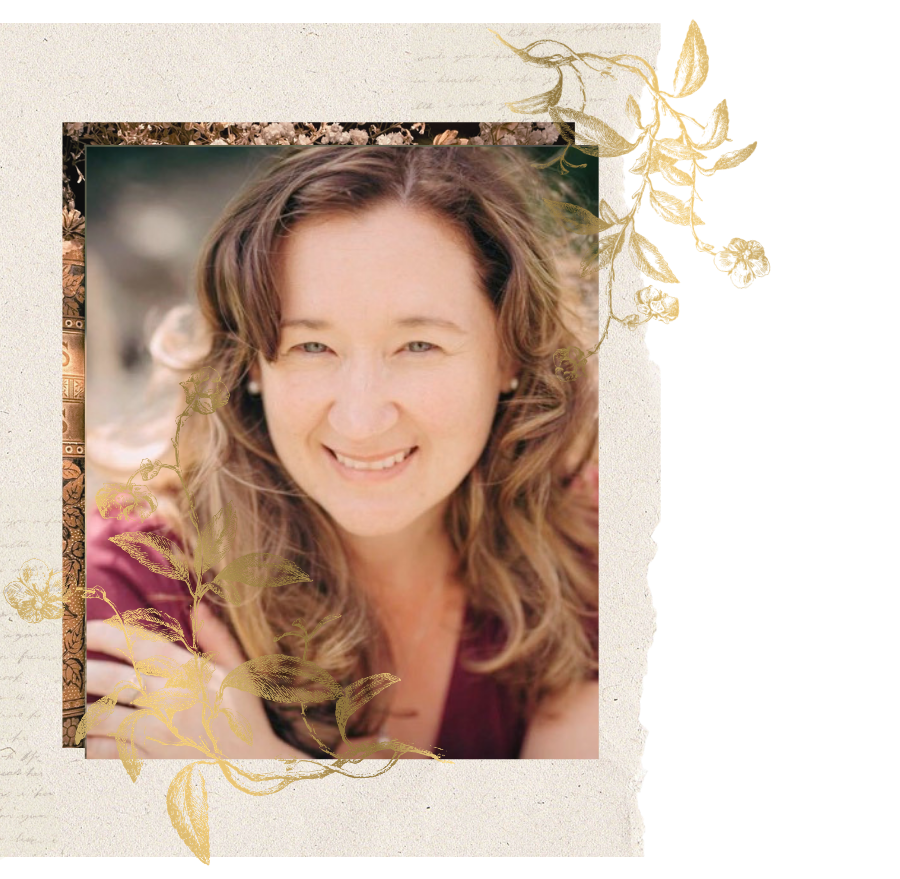
Kylie grew up in a family of storytellers and booklovers, where she learned early the magic of words and the power stories hold to comfort, entertain, and transport. As a child, she spent countless hours inventing tales of her own and disappearing into the pages of beloved books. Her roots trace back to the United Kingdom, and the stories shared by her grandparents—both survivors of the Second World War—sparked a lifelong fascination with history, memory, and the resilience of ordinary people in extraordinary times.
Kylie is a credited screenwriter, and the author of the children’s book Thaddeus Bix and the Pirates of Pepperjack. Her greatest passion, however, lies in writing historical fiction, often set in the late Victorian era or against the backdrop of the World Wars. Drawn to forgotten details of the past and the complexities of human emotion, her work explores themes of love, loss, resilience, and connection through richly layered female protagonists.
Currently, Kylie is completing a Bachelor of Arts in Creative Writing at Flinders University. When she is not writing or studying, she can usually be found with a pot of tea and a good book, planning her next overseas adventure, exploring the outdoors, or spending time with family and friends.
Her debut historical novel, The Storyteller of Wyld Hall, will be published by Allen & Unwin in 2027, with a second novel to follow in 2028.
Q & A with Kylie
Can you tell us about your books?
I love to write historical fiction for women, often with dual narratives and timelines. Stories are rarely linear, and that's perhaps the thing I love most about historical fiction: the way it allows us to look back and see how the threads of the past are woven into the present. There's something deeply fascinating about that. I'm also endlessly intrigued by the merging of worlds. Every time I sit with my 92-year-old English grandmother, I'm struck by the living history she embodies. She has walked through time, lived in a world so vastly different from mine, and yet here she is, sipping tea in my present moment. The contrast, that continuity, is at the heart of what I write.
That said, my first novel is set primarily against the backdrop of World War 2, unfolding across two timelines and inspired by true events. It tells the story of Bella Connelly—what she suffered, what she lost, but more importantly, what she survived.
The novel opens in the spring of 1995, as the earth begins to stir and everything shimmers with the promise of new beginnings. But in a grand old house, perched on the edge of the Avon Gorge, Bella—now an elderly woman—is keeping a long-held secret. When a letter arrives from Florence Winters of the National Trust, asking questions Bella has spent a lifetime avoiding, the past begins to awaken. The ghosts she thought long buried, rise once more, pulling her back to where it all began… with Holly.
What follows is a story told across two timelines, weaving between past and present as the lives of two women unfold.
At its heart, it's a tale of love and loss, friendship and fear, and one woman's haunting memory of survival in the firestorm of a terrible war.
Did you ever imagine you would become a published author one day?
Of course. I have a big imagination. HUGE! (insert chuckle).
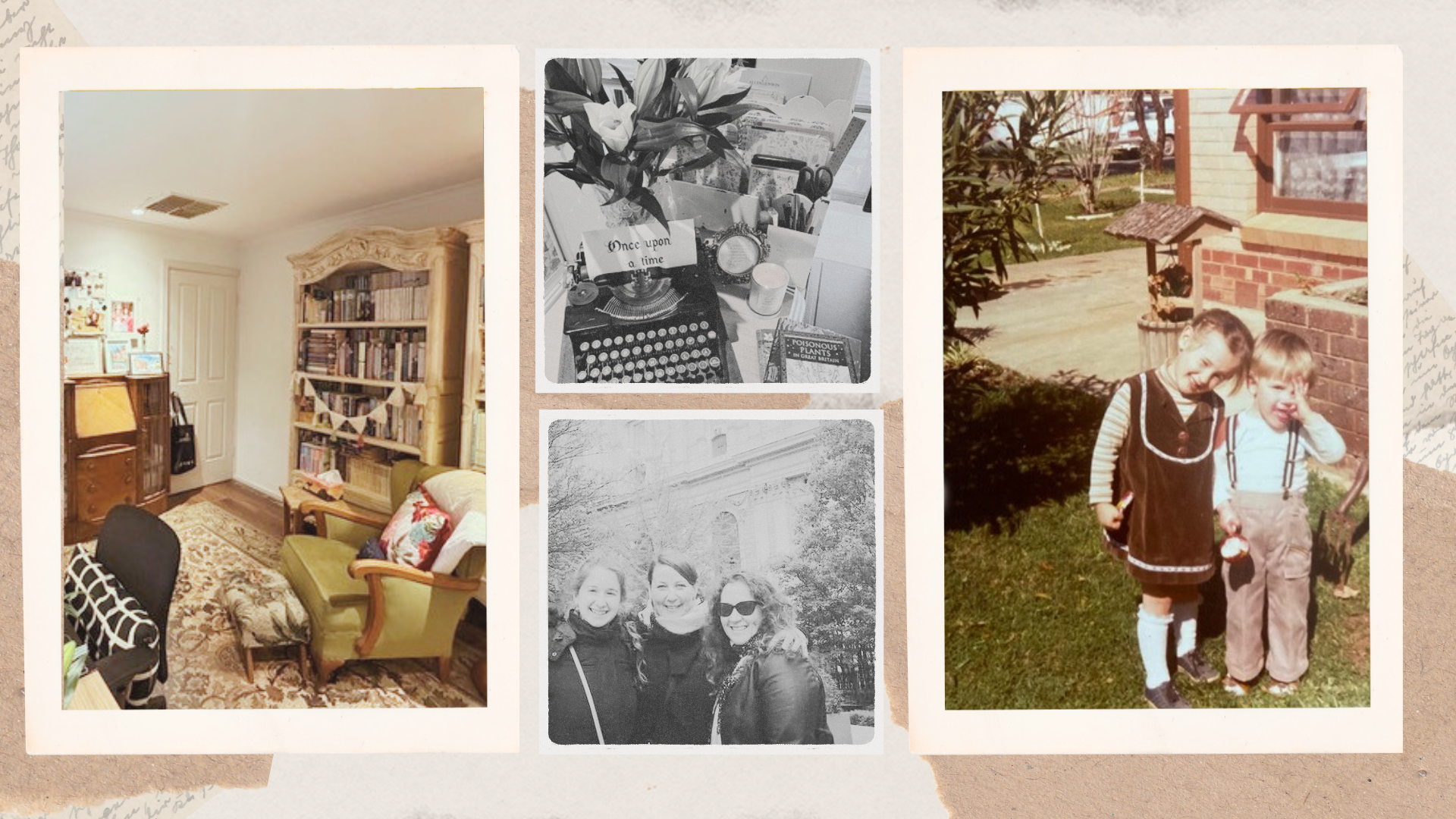
Seriously, though, I have always dreamed of becoming a published author—even as a child. I think it was a wish carried in the quiet spaces of my heart, something that has always been there. But somehow life got in the way and the dream was rudely elbowed aside by responsibilities, routines and everything else besides. It wasn't until I was facing an empty nest in my mid-forties—and dealing with the particular form of grief that comes with that—when I started looking inward and asking the question 'What am I to do now?'
It was then that I remembered the dream and began thinking of it as a real possibility.
Some might call it a midlife crisis—but perhaps the more honest narrative is that, in our middle years, we've all grown up enough to realise that there is still something important we've left to do. That the 'something' involves a talent. It lies like an ember inside us all, quietly waiting, just yearning for the smallest breath of attention to fan into a flame.
I've always had this mantra: Shine bright and ignite. But I think it's only now, in midlife, that I truly understand what this means. Or perhaps it's just that I've reached an age where I've finally run out of excuses, tightened the reins on fear and given myself permission to let those gifts shine.